Lod Chong
ลอดช่อง
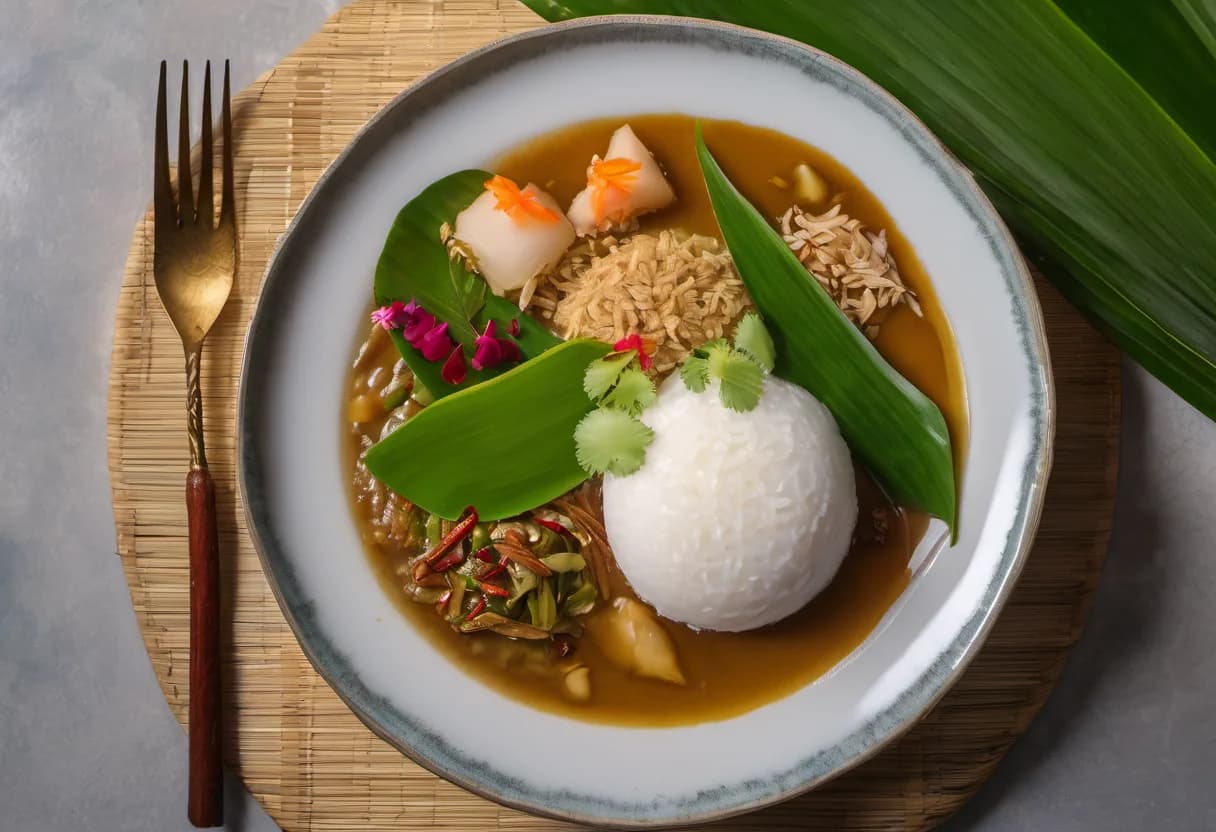
Lod Chong is a Thai dessert of pandan-flavoured rice flour noodles served chilled in sweetened coconut milk with crushed ice — cooling, fragrant, and deeply refreshing in the heat.
Cultural Origin
Lod Chong is a Central Thai dessert of green pandan-flavored rice-flour noodles served in sweet coconut milk over crushed ice, related to the broader cendol family found across Southeast Asia. The Thai version is closely associated with Singapore-Penang trade routes and is sold by old-style sweet-soup vendors across Bangkok.
Allergens & Sensitivities
Key Ingredients
- rice flour
- pandan juice
- coconut milk
- palm sugar
- crushed ice
Taste profile
- Salty
- fish sauce, soy, shrimp paste
- Sweet
- palm sugar, coconut
- Sour
- lime, tamarind, fermentation
- Umami
- dried shrimp, fermented pastes, stock
Served cold with plenty of crushed ice, it tastes noticeably less sweet than most Thai desserts on first bite, since the noodles themselves are unsweetened and only the coconut milk carries any sugar.
How Lod Chong Is Made
- 1
Making the pandan liquid
Fresh pandan leaves are blended with water and strained to produce a bright green juice.
- 2
Cooking the dough
Rice flour and tapioca starch are cooked with the pandan juice over heat, stirring constantly, until it thickens into a sticky green dough.
- 3
Extruding
The hot dough is pressed through a perforated ladle or mould directly into a bowl of iced water, forming short curved noodle shapes as it drops.
- 4
Cooling
The noodles firm up almost immediately in the cold water, which sets their shape and chewy texture.
- 5
Assembling
The drained noodles are served in sweetened coconut milk over crushed ice.
When It’s Eaten
A hot-weather, any-time-of-day dessert, sold chilled from stalls rather than served as part of a set meal.
How to Order It
- ขอลอดช่องหนึ่งที่
- kor lod chong neung thi
- One lod chong, please
- ขอน้ำแข็งน้อย
- kor nam khaeng noi
- Less ice, please
What people get wrong
Assuming the green colour is artificial — traditional versions get their colour and grassy aroma from real pandan leaf rather than food dye, and a good stall smells distinctly of it.
Where to Try It
Thai dessert stalls, food courts, and markets throughout the country — especially popular in summer.
Tips
- The pandan noodles are best when they have a slight chew — overcooked ones are mushy and lose the contrast with the cold coconut milk.